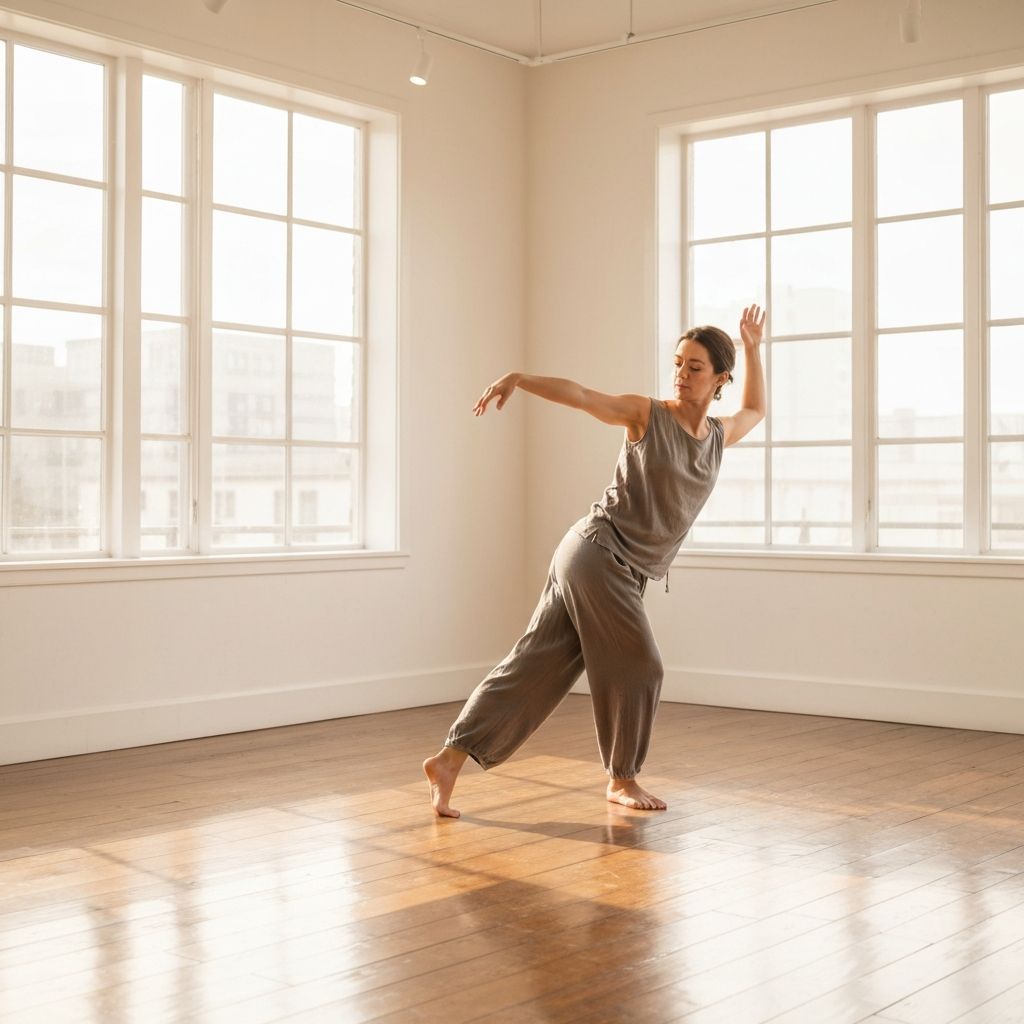
Cipra is a learning environment where people work with their bodies through systematic observation and attentive practice. The focus is on expanding movement freedom, developing strength, flexibility, and control without pressure or forcing.
Through regular sessions, participants gradually explore how their body moves, responds, and adapts to different positions and actions.

Kinesiotherapy, as practiced in our studio, is an educational approach to movement. It's not about treating conditions or promising specific outcomes. Instead, it's about learning to move with greater awareness, understanding how body parts interact, and gradually building a more varied movement repertoire.
The emphasis is on the learning process itself—how you perceive your body in space, how you transition between positions, and how you can adapt movements to your individual structure and daily activities.
Our approach differs from traditional exercise. Rather than pushing for repetitions or endurance, we focus on understanding. Each movement is an opportunity to observe, adjust, and learn how your body works as an interconnected system.
Sessions involve careful attention to detail, slow tempo, and space for individual exploration without comparison or competition.
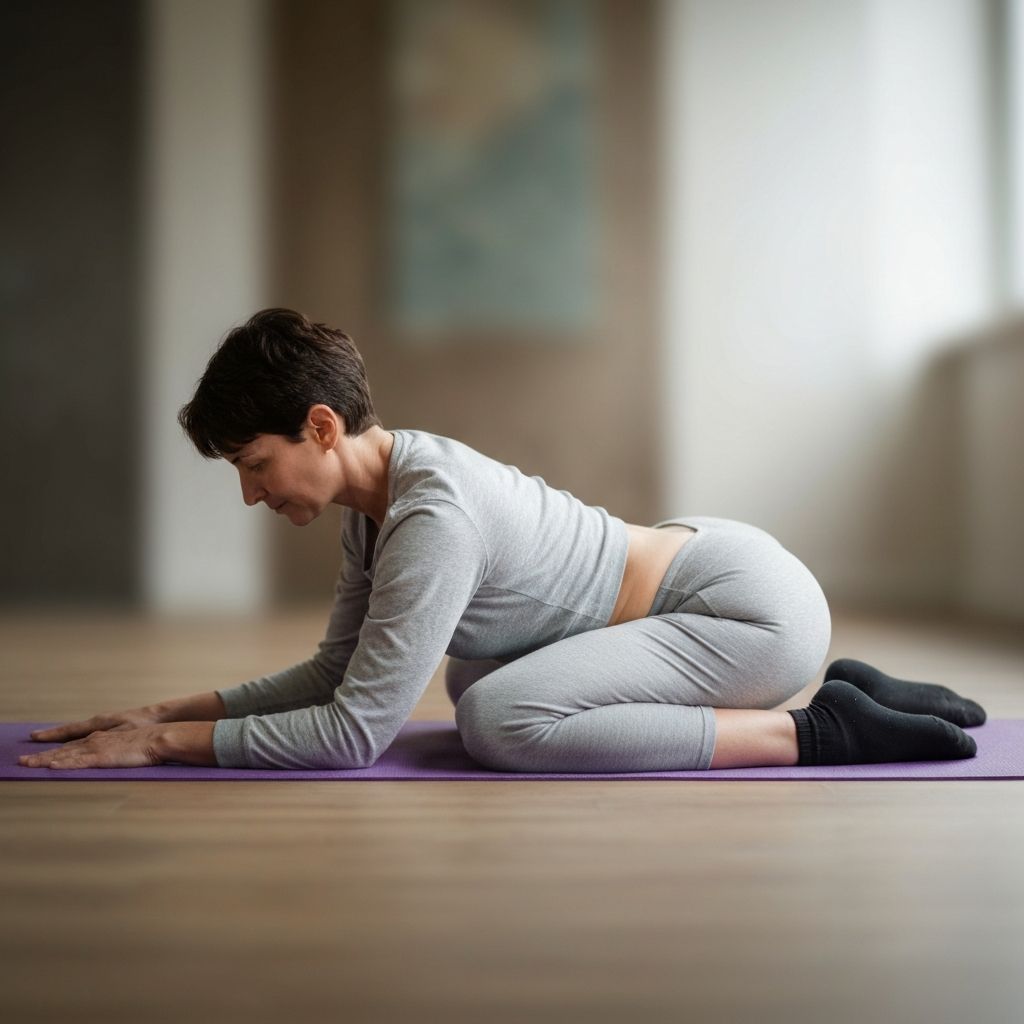
Body awareness develops through consistent, attentive practice. By observing how you initiate movement, where you feel tension or ease, and how different body parts coordinate, you gradually build a clearer internal sense of your physical self.
This awareness isn't about judgment or perfection—it's about gathering information that helps you move more comfortably and effectively in your daily life.
The body functions through interconnected chains of movement. When you reach for something, it's not just your arm—your shoulder, torso, and even legs participate in the action. Understanding these connections helps you move more efficiently and distribute effort more evenly.
In our sessions, we explore these relationships through guided movements that highlight how one part of the body influences another.
Strength in our context means the ability to control movement with precision, not maximum force. It's about coordinating muscles effectively, knowing when to engage and when to release, and building capacity gradually over time.
This approach to strength development emphasizes sustainable progress and reduces unnecessary strain on joints and tissues.
Flexibility isn't just about how far you can stretch. It's the ability to adapt your movements to different situations, to find multiple ways to achieve the same position, and to move through a wider range of motion with comfort and control.
We work on flexibility through gentle, progressive movements that respect your current range while encouraging gradual expansion.
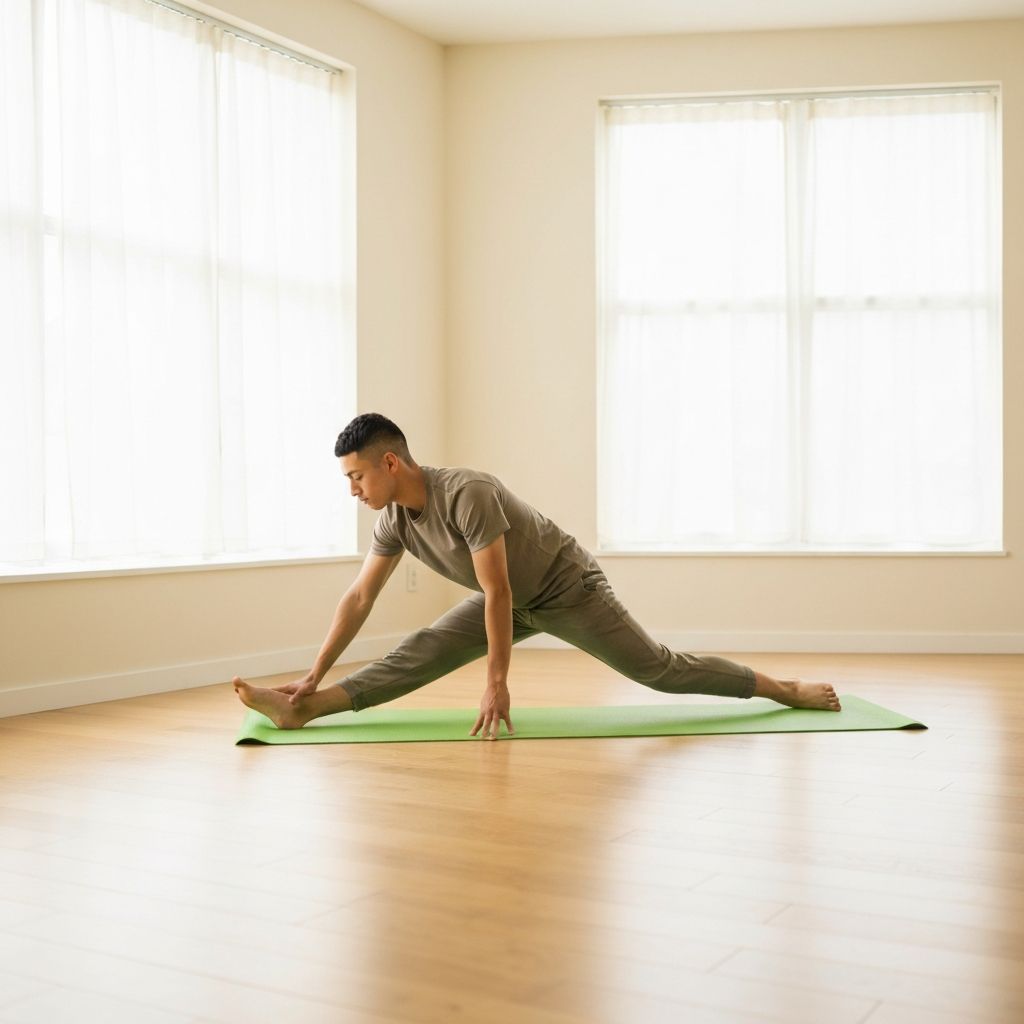
Understanding how you relate to the ground and how you maintain balance is fundamental to confident movement. We explore various positions and transitions that challenge and refine your sense of support, helping you feel more stable in everyday activities.
Moving slowly allows you to notice details that would be missed at faster speeds. It provides time to sense what's happening in your body, to make adjustments, and to learn movement patterns more thoroughly.
This deliberate pace is not about limitation—it's a tool for deeper learning and more refined control.
Sessions include a wide range of movements—floor work, standing positions, weight shifts, reaching patterns, and transitions between levels. This variety keeps the practice engaging and ensures you develop capabilities in multiple directions and orientations.
While sessions often happen in groups, there's no comparison or competition. Each person works at their own level, adapting movements to their current capabilities. The group setting provides structure and shared energy while respecting individual differences.
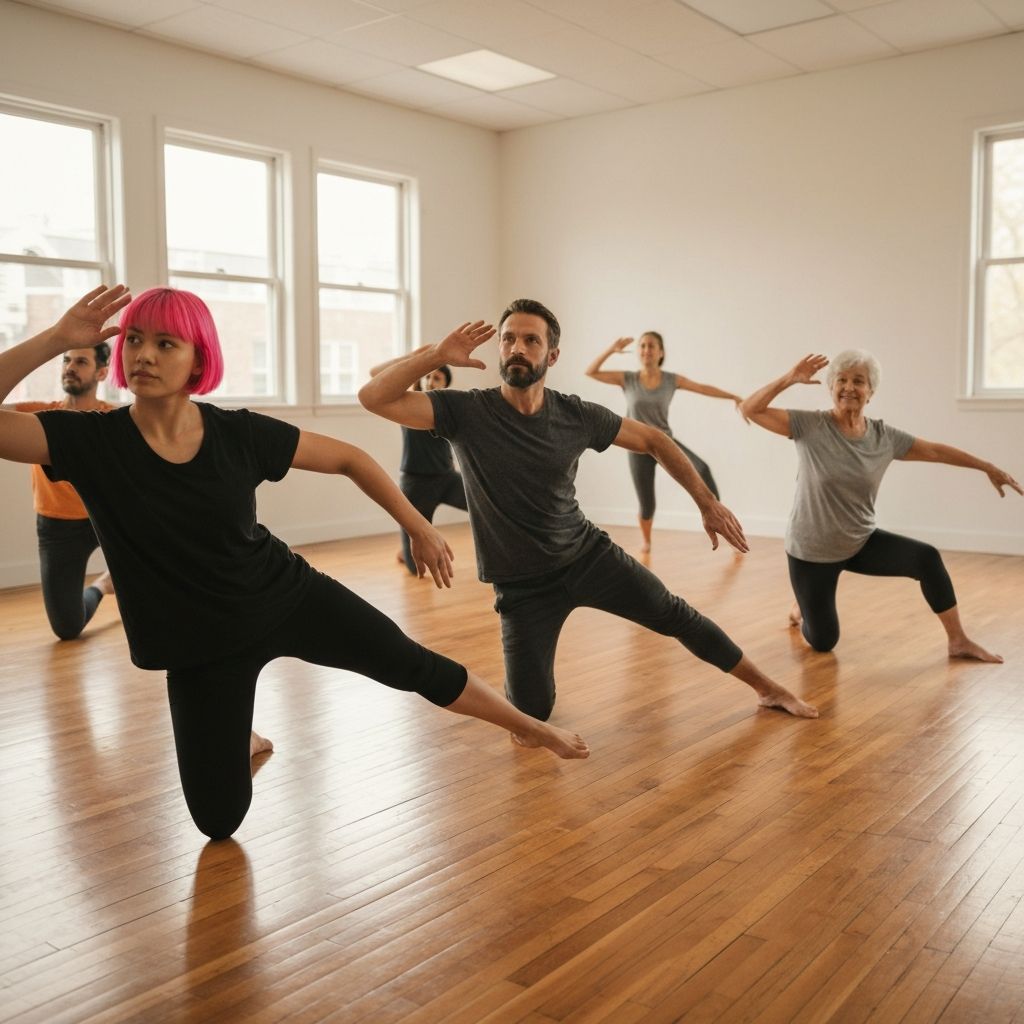
Everyone's body is different in structure, history, and current capacity. What works for one person may need adaptation for another. Our instructors guide you in finding variations that suit your particular body, ensuring that movements remain accessible and informative for you.
The ultimate purpose of working in the studio is to improve how you move outside of it. The patterns and awareness you develop transfer to everyday actions—lifting objects, reaching for shelves, sitting comfortably, walking with ease, and maintaining activity throughout your day.
Our movement and body awareness instructors guide sessions by offering clear verbal cues, demonstrating movements, and suggesting modifications. They observe participants and provide feedback to help you understand what you're doing and how you might adjust your approach.
Their role is educational—helping you learn about movement, not directing you toward predetermined outcomes.
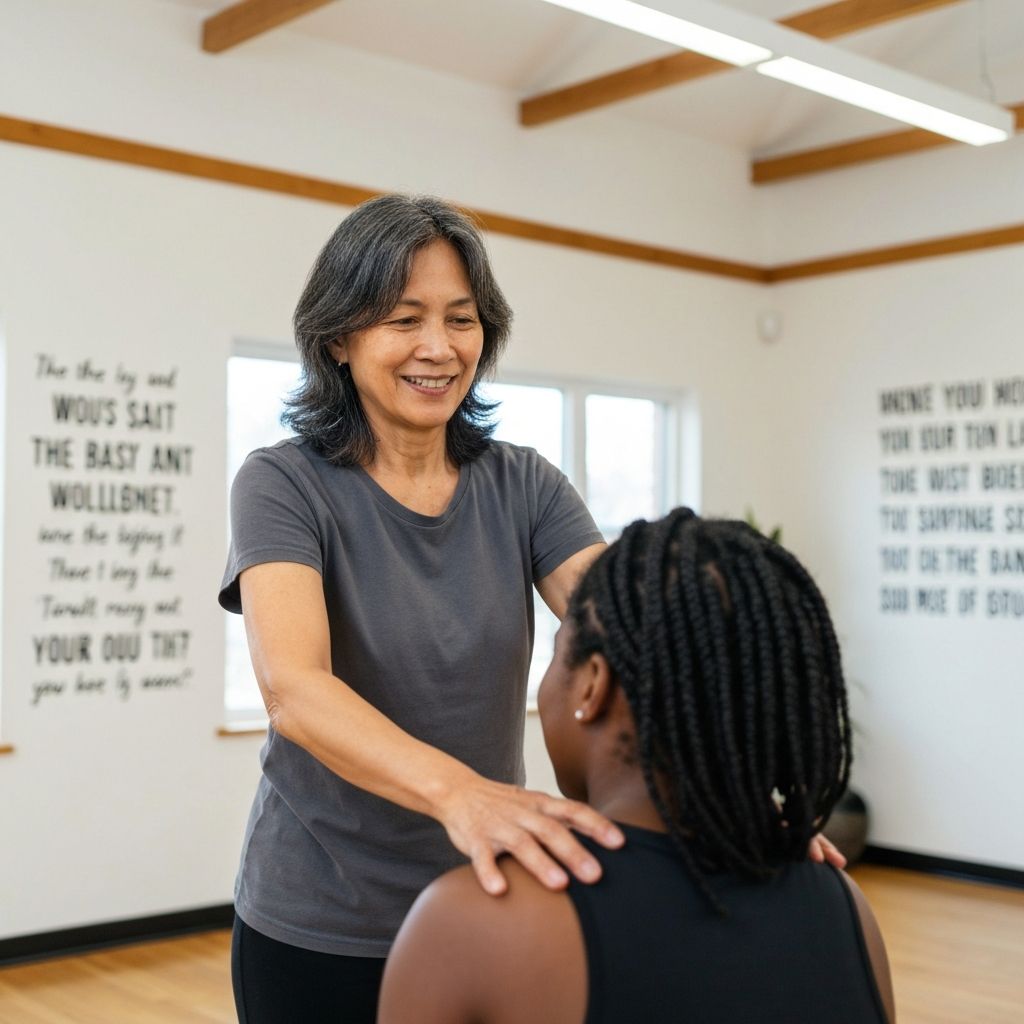
People come to the studio for various reasons—some want to become more active after sedentary work periods, others seek to expand their movement vocabulary, and some simply want to understand their bodies better.
"I've learned to notice how I move through the day. The studio gave me tools to understand my body rather than just exercise it."
"The slow, attentive approach was new to me. Over time, I've developed more confidence in different positions and movements."
"It's not about achieving poses or hitting targets. It's about learning, and that takes the pressure off completely."
No previous experience is required. Sessions are designed to be accessible to people at various levels of familiarity with movement work.
Expect guided movement explorations in a calm environment. You'll work at your own pace with instruction and suggestions from movement and body awareness instructors.
Yes, many participants lead sedentary lifestyles and find the studio helpful for introducing regular, mindful physical activity without intensity or competition.
Consistency helps with learning, but the frequency is up to you. Some people attend once a week, others more frequently, depending on their schedule and interest.
Comfortable clothing that allows for movement and a water bottle. The studio provides mats and any other necessary equipment.
If you'd like to learn more about the studio or arrange a visit, we're happy to provide additional information.
Expand your understanding